Every year, millions of Americans visit the emergency room for conditions that could be treated faster and more affordably at an urgent care clinic. According to the Centers for Disease Control and Prevention (CDC), over 130 million ER visits occur annually in the United States, and research published by UnitedHealth Group estimates that nearly 30 percent of those visits could be handled at an urgent care facility. For residents of San Diego County, understanding the difference between urgent care and the emergency room is not just a matter of convenience — it directly impacts your health outcomes, your wallet, and the time you spend waiting for treatment.
What Is Urgent Care?
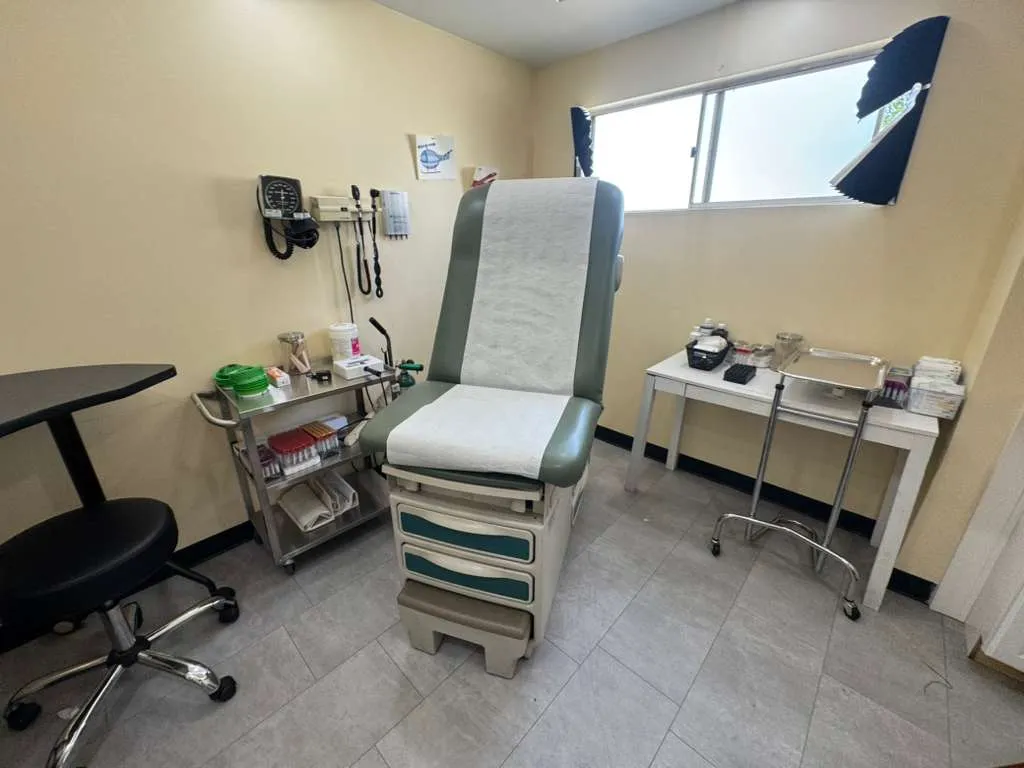
Urgent care is a category of walk-in medical care designed to treat non-life-threatening conditions that require same-day attention but are not severe enough to warrant an emergency room visit. Urgent care clinics are staffed by board-certified physicians, nurse practitioners, and physician assistants who are trained in emergency and family medicine. Most urgent care facilities, including Palm Urgent Care in El Cajon and San Ysidro, offer on-site laboratory testing, diagnostic imaging, minor surgical procedures, and prescription management — all without the need for an appointment or a referral from your primary care provider.
Unlike primary care offices that operate on a Monday-through-Friday schedule with limited hours, urgent care clinics typically offer extended evening and weekend hours. At Palm Urgent Care, our El Cajon locations are open until 9:00 PM on weekdays and offer Saturday and Sunday hours, making it possible to receive quality medical care outside of traditional office hours.
When to Visit Urgent Care
Urgent care is the appropriate choice when your condition needs prompt medical attention but is not life-threatening. Common conditions treated at urgent care include:
- Upper respiratory infections — cold, flu, sore throat, sinus congestion, and bronchitis
- Ear infections and eye infections — otitis media, conjunctivitis (pink eye), and styes
- Urinary tract infections (UTIs) — painful urination, frequency, and urgency
- Minor musculoskeletal injuries — sprains, strains, and minor fractures without visible deformity
- Lacerations and wounds — cuts that require stitches, wound cleaning, or bandaging
- Skin conditions — rashes, insect bites, minor allergic reactions, and skin infections
- Gastrointestinal issues — nausea, vomiting, diarrhea, and mild abdominal pain
- Diagnostic testing — rapid COVID-19, influenza, and strep tests; blood work; STD screening; drug testing
- Physical examinations — sports physicals, school physicals, employment physicals, and DOT exams
- Medication refills — short-term prescription refills when your primary care doctor is unavailable
A helpful rule of thumb: if your condition would normally lead you to call your primary care doctor and request a same-day appointment, urgent care is likely the right choice.
When to Go to the Emergency Room
The emergency room is designed for life-threatening or potentially life-threatening conditions that require immediate, advanced medical intervention. The American College of Emergency Physicians (ACEP) defines an emergency medical condition as one that could place a patient's health in serious jeopardy, result in serious impairment of body functions, or cause serious dysfunction of any organ or body part. Conditions that warrant an ER visit include:
- Chest pain, pressure, or tightness — especially with shortness of breath, sweating, or arm pain
- Signs of stroke — sudden face drooping, arm weakness, or speech difficulty (remember FAST)
- Severe difficulty breathing or choking
- Heavy, uncontrollable bleeding
- Head injuries with loss of consciousness, confusion, or vomiting
- Severe burns covering large areas of the body
- Compound fractures with bone visible through the skin
- Seizures, especially in someone with no history of seizure disorders
- Severe allergic reactions (anaphylaxis) with swelling of the throat or difficulty breathing
- Suicidal thoughts or a psychiatric emergency requiring immediate stabilization
If you are ever unsure whether your condition is life-threatening, call 911 or go to the nearest emergency room. It is always better to err on the side of caution when a life may be at risk.
The Cost Difference: Why It Matters
The financial impact of choosing the ER versus urgent care is substantial. Data from the Centers for Medicare & Medicaid Services (CMS) and independent healthcare research consistently shows that the average emergency room visit costs between $2,200 and $3,100, while the average urgent care visit costs between $150 and $350. For uninsured patients, this difference can be financially devastating. Even for insured patients, ER copays are typically three to five times higher than urgent care copays.
For Medi-Cal beneficiaries in San Diego County, urgent care visits are generally fully covered with no out-of-pocket cost when you visit a participating provider like Palm Urgent Care. We accept Community Health Group, Molina Healthcare, Health Net, Blue Shield Promise, and Medi-Cal Fee-for-Service.
Wait Times: What to Expect
Emergency room wait times in San Diego County can range from two to six hours or more, depending on the severity of other patients' conditions and hospital capacity. Urgent care clinics, by contrast, typically see patients within 15 to 30 minutes of arrival. At Palm Urgent Care, we display real-time estimated wait times for each of our four locations so you can choose the clinic with the shortest wait.
Why Choose Palm Urgent Care in San Diego County
Palm Urgent Care operates four convenient locations across San Diego County — two in El Cajon, one in National City, and one in San Ysidro. What distinguishes our clinics from other urgent care providers in the region is our commitment to serving San Diego's diverse communities. Our providers and staff speak nine languages, including Arabic, Spanish, Kurdish, Chaldean, Romanian, Russian, Chinese, French, and English. We accept Medi-Cal, Medicare, Tricare, Covered California plans, and most major commercial insurance carriers, as well as self-pay patients at competitive rates.
We offer on-site laboratory testing with rapid results for COVID-19, influenza, and strep throat, as well as comprehensive blood work, STD screening, and drug testing. Our clinics are equipped for minor procedures including laceration repair (stitches), abscess drainage, splinting, and wound care. We also provide IV hydration therapy, physical examinations, and medication management.
For mental health needs, Palm Urgent Care offers confidential behavioral health screenings and referrals to our licensed therapists, who provide individual, couples, and family therapy — including specialized trauma-informed care for refugees, immigrants, and asylum seekers. Virtual therapy sessions are available via Microsoft Teams.
If you are experiencing a non-life-threatening illness or injury, walk in to any Palm Urgent Care location today — no appointment needed. Visit our locations page to find the clinic nearest to you, or request an appointment online.