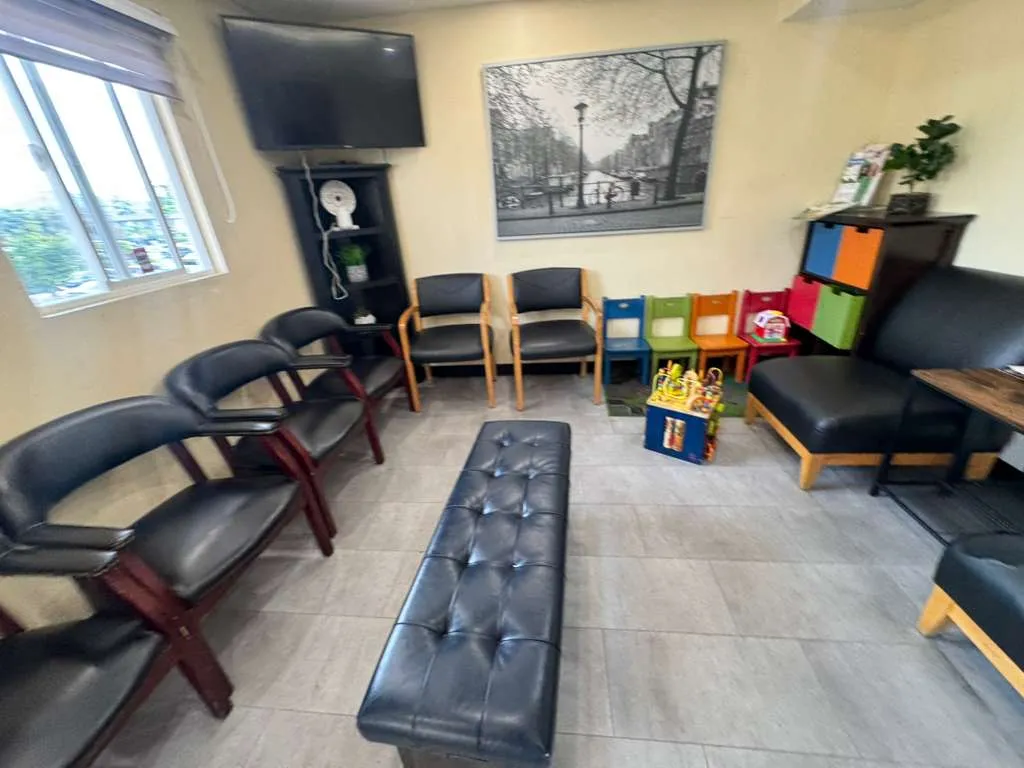
If you have never visited an urgent care clinic before, the experience might feel unfamiliar — especially if you are accustomed to scheduling appointments with a primary care doctor weeks in advance or if your only experience with medical care has been in a hospital emergency room. Urgent care occupies a valuable middle ground in the healthcare system: it provides same-day, walk-in medical treatment for conditions that need prompt attention but are not life-threatening emergencies. Understanding what to expect before you arrive can help you feel more comfortable, reduce anxiety, and ensure that your visit goes as smoothly as possible.
Step 1: Arriving and Checking In
Urgent care clinics operate on a walk-in basis, which means you do not need to call ahead, schedule an appointment, or obtain a referral from another doctor. Simply walk into the clinic during posted business hours. At Palm Urgent Care, our El Cajon locations (Mollison and Magnolia) are open Monday through Friday from 9:00 AM to 9:00 PM and Saturday and Sunday from 9:00 AM to 2:00 PM. Our National City and San Ysidro locations are open Monday through Friday from 9:00 AM to 6:00 PM.
When you arrive, you will be greeted by front desk staff who will ask you to provide your name, date of birth, and the reason for your visit. If you have health insurance, you will be asked to present your insurance card. Palm Urgent Care accepts Medi-Cal (including Community Health Group, Molina, Health Net, and Blue Shield Promise), Medicare, Tricare, Covered California marketplace plans, and most major commercial insurance carriers. If you do not have insurance, we welcome self-pay patients at competitive rates — you will not be turned away.
At Palm Urgent Care, our front desk staff and medical team members speak nine languages: English, Arabic, Spanish, Kurdish, Chaldean, Romanian, Russian, Chinese, and French. If you or a family member is more comfortable communicating in a language other than English, please let us know and we will do our best to accommodate you.
Step 2: Triage and Vital Signs
After check-in, a medical assistant will call you from the waiting area and escort you to a triage area or exam room. During triage, the assistant will measure your vital signs, which typically include your temperature, blood pressure, heart rate (pulse), respiratory rate, and blood oxygen saturation level (measured with a pulse oximeter placed on your fingertip). These baseline measurements help your provider assess your overall condition and identify any immediate concerns.
The medical assistant will also ask you a series of questions about your current symptoms, including when they started, how severe they are, and whether anything makes them better or worse. You will be asked about your medical history, including any chronic conditions (such as diabetes, asthma, or hypertension), allergies (especially to medications), and any medications you are currently taking. Providing accurate and complete information during this step helps your provider make the most informed decisions about your care.
Step 3: Provider Examination
A board-certified physician, nurse practitioner, or physician assistant will examine you based on your reported symptoms and vital sign measurements. The examination may include listening to your heart and lungs with a stethoscope, examining your ears, nose, and throat, palpating your abdomen, assessing your musculoskeletal system (joints, range of motion, tenderness), and inspecting any wounds, rashes, or areas of concern.
Your provider will discuss their findings with you, explain their clinical assessment, and recommend a treatment plan. This is an important opportunity to ask questions about your diagnosis, treatment options, and what to expect during recovery. Good providers welcome questions — do not hesitate to speak up if something is unclear.
Step 4: On-Site Diagnostic Testing
One of the significant advantages of urgent care over a traditional doctor's office is the availability of on-site diagnostic testing with rapid results. Depending on your symptoms, your provider may order one or more of the following tests:
- Rapid antigen tests — COVID-19, influenza A and B, strep throat, and RSV. Results typically available in 15 to 20 minutes.
- Urinalysis — to check for urinary tract infections, kidney issues, or other conditions. Results in minutes.
- Blood tests — complete blood count (CBC), comprehensive metabolic panel (CMP), hemoglobin A1C, lipid panel, thyroid function, and more. Results typically available within 24 to 48 hours.
- STD screening — testing for chlamydia, gonorrhea, syphilis, HIV, and hepatitis. Confidential results.
- Drug screening — pre-employment, DOT (Department of Transportation), court-ordered, and personal drug testing.
- Pregnancy testing — rapid urine-based pregnancy tests with results in minutes.
According to the CDC, on-site point-of-care testing allows for faster clinical decision-making, which can lead to earlier treatment initiation and better patient outcomes.
Step 5: Treatment and Prescriptions
Based on your examination and test results, your provider will administer treatment directly in the clinic or prescribe medication for you to pick up at your pharmacy. Common in-clinic treatments include wound cleaning and closure (stitches or adhesive strips), splinting for suspected fractures, abscess drainage, IV hydration therapy for dehydration, and nebulizer treatments for asthma or respiratory distress.
If a prescription is needed, your provider will send it electronically to your preferred pharmacy. Most prescriptions are ready for pickup within one to two hours. If your provider determines that your condition requires follow-up care, specialist referral, or imaging (such as an X-ray or MRI) that is not available on-site, they will provide you with the appropriate referral information.
Step 6: Discharge and Follow-Up
Before you leave, you will receive written discharge instructions that summarize your diagnosis, the treatment provided, any prescriptions issued, and specific instructions for home care. Your provider will advise you on when to follow up with your primary care doctor, when to return to urgent care, and what warning signs should prompt an emergency room visit.
What to Bring to Your Urgent Care Visit
- A valid photo ID (driver's license, state ID, passport, or consular card)
- Your insurance card — Medi-Cal, Medicare, Tricare, or commercial insurance
- A list of current medications, including dosages
- Any relevant medical records or recent test results
- A completed form if you are visiting for a school, sports, or employment physical
No insurance? No problem. Palm Urgent Care offers competitive self-pay rates and will never turn away a patient based on their ability to pay or their insurance status. Visit our insurance and payment page for more information.
Visit Palm Urgent Care Today
With four convenient locations in El Cajon, National City, and San Ysidro, Palm Urgent Care is here to provide high-quality, multilingual, walk-in medical care for you and your family. No appointment needed. Check our locations page for real-time wait times and directions, or request an appointment online.