Intravenous (IV) therapy is a medical treatment that delivers fluids, electrolytes, vitamins, minerals, and medications directly into the bloodstream through a small catheter inserted into a vein. Because IV therapy bypasses the digestive system entirely, the body absorbs 100 percent of the administered substances immediately — compared to the 20 to 50 percent bioavailability of oral supplements and medications. This makes IV therapy one of the fastest and most effective methods for treating dehydration, nutrient deficiency, migraine headaches, nausea, and a range of other conditions.
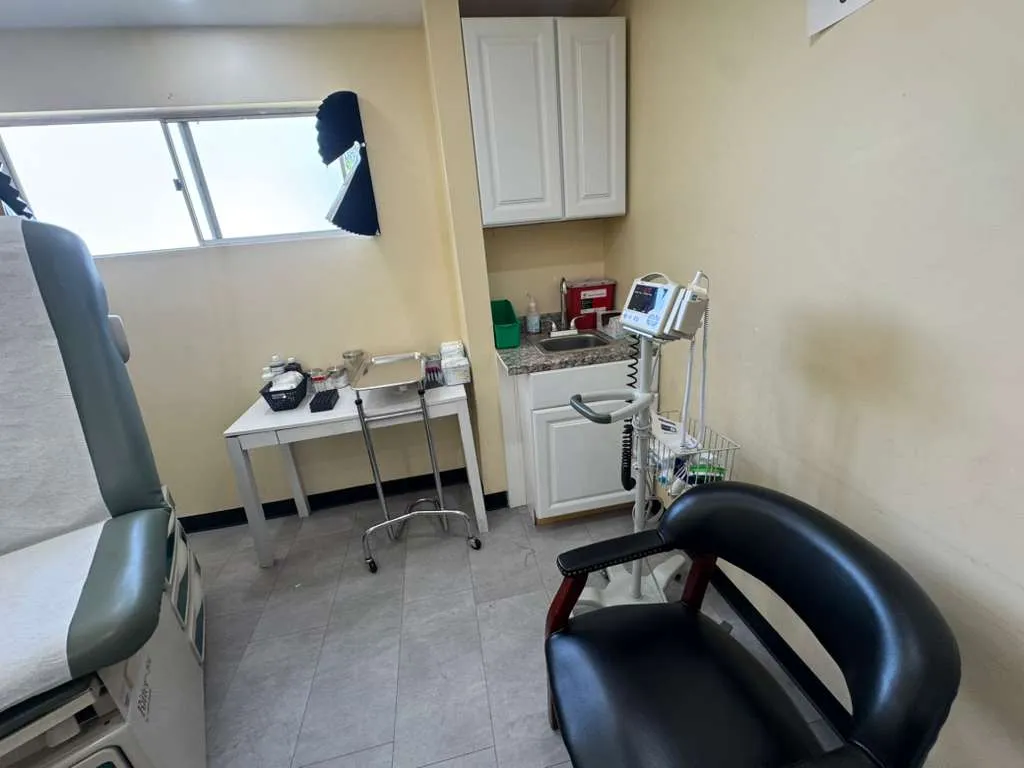
At Palm Urgent Care in El Cajon, we offer medically supervised IV therapy administered by trained healthcare professionals in a comfortable clinical setting. Sessions typically last 30 to 60 minutes, and no appointment is required.
How Does IV Therapy Work?
During an IV therapy session, a registered nurse or medical assistant will insert a small, flexible catheter into a vein in your arm (typically the inside of the elbow or the back of the hand). The catheter is connected to an IV bag containing a customized solution tailored to your specific needs. The solution drips steadily into your bloodstream over the course of the session. Most patients describe the sensation as a brief pinch during insertion, followed by a comfortable, relaxed experience during the infusion.
Your vital signs will be monitored throughout the session, and a medical provider will be available to address any questions or concerns. After the infusion is complete, the catheter is removed and a small bandage is applied. Most patients feel improved energy and symptom relief within minutes to hours of completing their session.
Conditions That Benefit from IV Therapy
Dehydration
Dehydration occurs when your body loses more fluid than it takes in, and it can result from illness (vomiting, diarrhea, high fever), excessive heat exposure, intense physical activity, or insufficient fluid intake. The World Health Organization (WHO) identifies oral rehydration as the first-line treatment for mild dehydration, but for moderate to severe dehydration — especially when a patient cannot keep fluids down — IV rehydration is the clinical standard of care. IV fluids restore hydration levels rapidly and effectively.
Migraine and Severe Headache
Migraine headaches can be debilitating, and oral medications may be difficult to take when accompanied by nausea and vomiting. IV therapy allows providers to administer anti-nausea medication, pain relievers, and hydration simultaneously, often providing relief within 30 minutes. Studies published in the Journal of Emergency Medicine have demonstrated the effectiveness of IV fluid and medication protocols for acute migraine management in outpatient settings.
Nausea and Vomiting
When nausea and vomiting prevent you from keeping food, fluids, or oral medications down, IV therapy provides a direct route for anti-nausea medication (antiemetics such as ondansetron) and rehydration. This is particularly important for patients experiencing severe gastroenteritis, morning sickness during pregnancy, or side effects from chemotherapy or other medications.
Immune Support and Wellness
IV vitamin infusions — commonly including high-dose vitamin C, B-complex vitamins (B1, B2, B3, B5, B6, B12), zinc, and magnesium — are used to support immune function, combat fatigue, and promote overall wellness. While the Mayo Clinic notes that IV vitamin therapy should not be considered a substitute for a balanced diet and oral supplementation, it can provide meaningful benefits for patients who are acutely deficient, recovering from illness, or seeking enhanced immune support during cold and flu season.
Hangover Recovery
Alcohol consumption leads to dehydration, electrolyte imbalance, inflammation, and the accumulation of toxic byproducts (acetaldehyde) — all of which contribute to hangover symptoms. IV hydration with electrolytes, B vitamins, anti-nausea medication, and anti-inflammatory agents can accelerate recovery and relieve symptoms including headache, nausea, fatigue, and dizziness.
Athletic Recovery and Performance
Athletes and individuals who engage in intense physical training may benefit from IV hydration and nutrient replenishment following strenuous exercise. IV therapy can help restore fluid balance, replace electrolytes lost through sweat, reduce muscle soreness, and support faster recovery between training sessions or competitive events.
Is IV Therapy Safe?
When administered by qualified medical professionals in a clinical environment, IV therapy is considered safe for most patients. At Palm Urgent Care, all IV therapies are overseen by licensed providers and administered by trained clinical staff following established medical protocols. Before beginning any IV treatment, your provider will review your medical history, current medications, and allergies to ensure that the therapy is appropriate for you.
Possible side effects are generally minor and may include mild bruising or tenderness at the injection site, a cool sensation in the arm during infusion, or a metallic taste in the mouth (associated with certain vitamin formulations). Serious complications are rare when IV therapy is performed by trained professionals using sterile techniques and appropriate monitoring.
What Does IV Therapy Cost?
The cost of IV therapy varies depending on the specific formulation and your insurance coverage. When IV hydration is administered for a medically necessary condition — such as dehydration due to illness — it is typically covered by insurance, including Medi-Cal and Medicare. For wellness and elective IV vitamin infusions, self-pay rates apply. Contact our office at (619) 354-6494 for specific pricing information.
Get IV Therapy at Palm Urgent Care
IV therapy is available at our El Cajon Mollison Avenue location. Walk in during business hours or request an appointment online. Our multilingual staff will ensure you are comfortable throughout your session. Visit our IV therapy service page for more information about available formulations and treatment options.